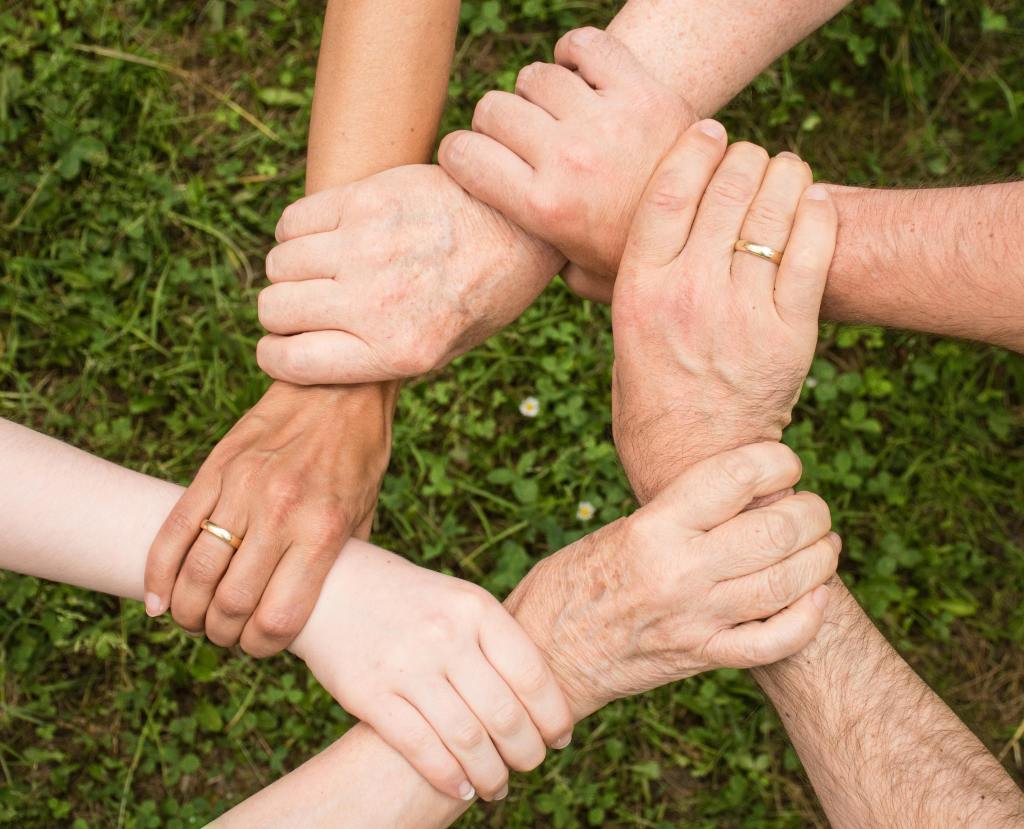
Family violence thrives in the silence of a closed house, where the abuser seeks to convince the woman that she is all alone, cut off from all her support systems. Creating a support system is an act of calling upon those within the community to stand with you when you are under siege. This network provides truth, resources and safety that a woman needs to move across from her current circumstances. All that she is experiencing becomes witnessed, protected and mirrored by others.
Guardians are the safe people, the Professional Advocates that are trained Helpline Workers, safe house staff, Counsellors and Social Workers that understand violence. They provide the psychological maps needed to navigate the environment safely. Family violence services nationwide include Women’s Refuge and Shine. Other main centers have Aviva, the Asian Family Services and Shakti.
Trusted friends and family are those who offer acceptance, understanding and safety. They hold your emergency bags, your important documents, and your code words.
Protective systems are all about the law and structural boundaries such as protection orders, legal aid, parenting orders and much more. This involves Family Lawyers, Legal Aid Lawyers, and Community Law Clinics who act as external walls of your home to keep the abuser at bay.
Financial resources are about emergency grants, transitional housing and employment assistance. This can involve WINZ, MSD Family Violence Co-Ordinator’s, transitional housing services and working with families’ services.
Digital experts or resources that help you clean out your digital space ensure the abuser is cut off completely. Netsafe offers clear guidance on dealing with online harm and protecting personal information, while the Safety Net Project offers survivor‑focused guides on protecting phones, computers, email, and social media, along with information on spyware and GPS tracking.
Domestic Shelters provides practical steps for removing an abuser’s access to shared devices, phone plans, and smart‑home technology, and helps survivors recognize hidden monitoring. The eSafety Commissioner (esafety.gov.au/women) gives clear, government‑backed advice on preventing tech‑facilitated abuse and responding to online harassment or threats. Together, these resources help survivors take essential steps like updating passwords, checking for location‑sharing, reviewing connected devices, and securing social media so they can begin rebuilding digital safety and privacy.
 Staying Safe and Sane